Voice Acting Books & Podcasts Every Voice Actor Should Know
Build your voice acting toolbox with these books and podcasts recommended by Voicelings.

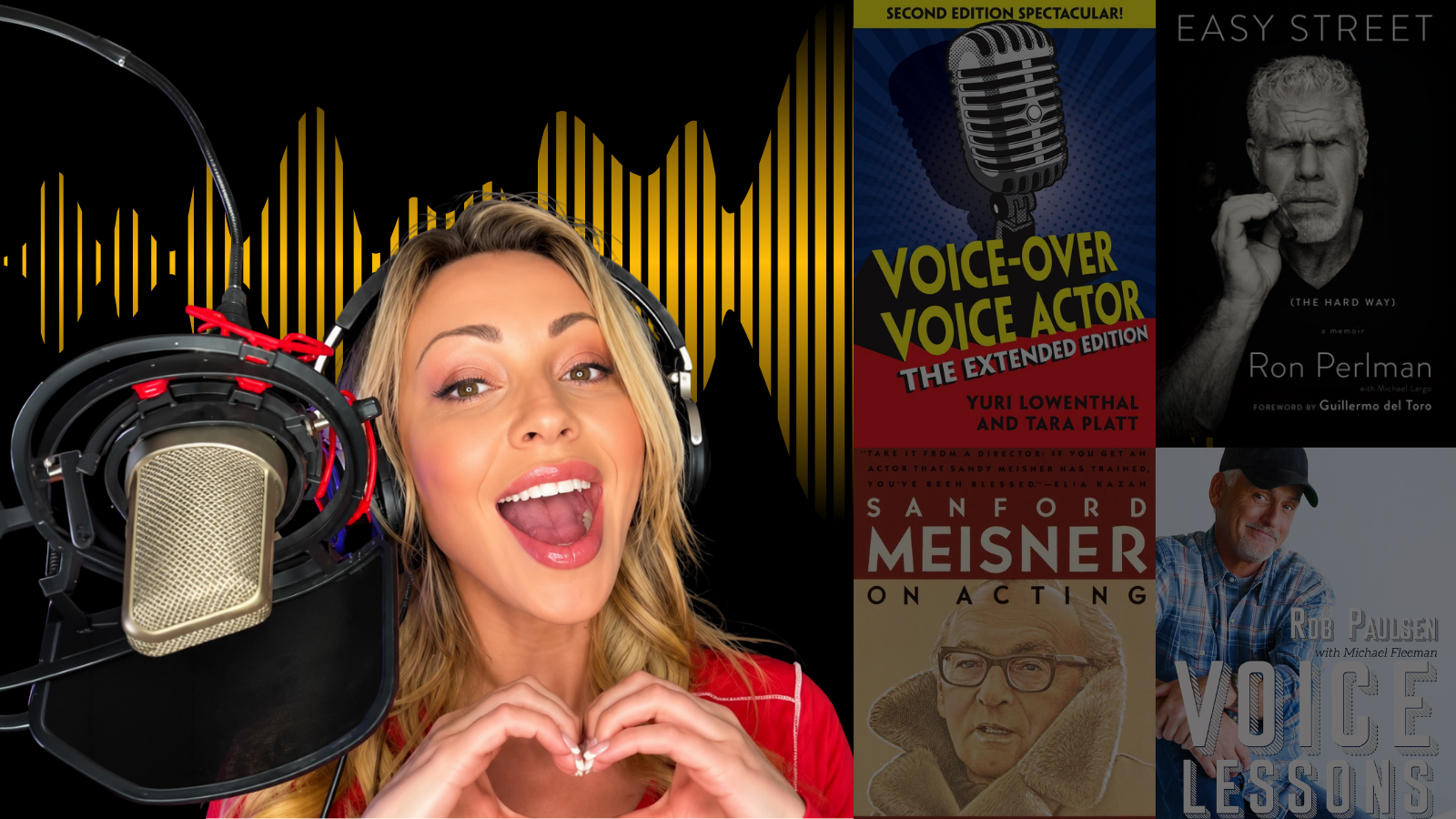
Every voice actor needs a creative toolbox, or what I like to call an “acting basket.” The stories we read, the conversations we listen to, and the lessons we collect from other artists all become part of what we bring into our performance in the booth. That’s why we asked our Voicelings community to share the books and podcasts that have helped them improve their craft, understand the business, stay inspired, and keep going! Whether you’re looking for your next read, a podcast for your commute, or something inspiring to play before an audition, consider this your voice acting reading and listening list.
These books speak directly to life behind the mic. Some focus on performance, while others cover demos, auditions, studio etiquette, and the business of building a voiceover career.
Billy West, the voice behind Fry, Professor Farnsworth, Dr. Zoidberg, Stimpy, Doug Funnie, and so many others, looks back on the path that led him to the microphone. This memoir blends the fun and mischief of a legendary career with an honest account of the difficult experiences that shaped his life and voices. Read it for the behind-the-scenes stories and keep it close as a reminder that there is no single “right” route into this business.
Yuri and Tara give a warm, practical tour of the VO world, from training and demos to auditions, agents, recording sessions, and career longevity. The book is approachable enough for beginners but full of useful reminders for working actors. It also makes one thing very clear: voice acting is acting first!
Rob Paulsen’s memoir is funny, generous, and deeply human. He shares stories from an extraordinary career alongside his experience with throat cancer – a diagnosis that struck at the very tool his work depended on. It’s a beautiful read about resilience, gratitude, and finding out that your value is much bigger than any one role or ability.
Rob joined us for Voicelings Legends Live in March 2026, and he was every bit as generous and kind in sharing his knowledge and experience as you would expect!
Ron Perlman’s unmistakable voice is only one piece of an unconventional acting career. His memoir traces the long road from self-doubt and early struggles to roles in Beauty and the Beast, Hellboy, Sons of Anarchy, and beyond. It’s frank, funny, and encouraging for any actor whose career is taking longer (or looking different) than expected! My students got so much out of hearing from Ron and asking their questions during Legends Live.
Elaine breaks down the performance and business sides of voiceover, from script analysis and delivery to demos, auditions, and finding work. It’s a practical reference guide, especially for actors exploring commercial and narration opportunities. Because technology and casting practices change, pair the book’s fundamentals with current industry conversations and coaching, but it still includes timeless information for every voice actor.
This beginner-friendly overview explains the basic building blocks of voiceover: developing your skills, assembling a studio, recording demos, auditioning, and approaching the work like a business. Use it as a starting point to gauge whether you’re interested in pursuing a VO career or just starting out.
This comprehensive guide covers both performance and the business of voiceover, with exercises and practical advice on interpreting scripts, working with a microphone, building characters, and marketing your services. Look for the newest edition available so the business and technology sections are as current as possible.
The strongest voice performances come from having real acting chops. These classics may not be about VO specifically, but the foundations apply every time the mic is on.
One of the most influential acting books ever written, An Actor Prepares explores concentration, imagination, objectives, emotional truth, and the inner work of building a believable performance. Some of the language and teaching style reflect its era, but the central challenge remains timeless: don’t simply indicate an emotion – live within the circumstances of the story, aka method acting.
Want to learn more about method acting? Join Voicelings and check out my Multiverse Expansion Pack, where I break it all down.
Uta encourages actors to replace vague choices with specific, personal, playable ones. Her exercises in observation, substitution, objectives, and circumstances can help voice actors create characters who feel as real as can be, even when those characters happen to be ponies, superheroes, robots, or creatures from another dimension.
This should be required reading for actors and voice actors alike. Meisner’s famous focus on “living truthfully under imaginary circumstances” is especially powerful for voice actors. Without sets, costumes, or facial expressions carrying the story, your listening and reactions have to live in the voice. This book follows students through Meisner’s training process and shows how spontaneous, connected acting is developed through practice.
The title says it all. Guskin’s approach helps performers move away from overplanning and toward responding freely to the text in the moment. If your reads feel stiff, overly polished, or locked into one predetermined choice, this book may help you loosen your grip and rediscover play.
Your voice is connected to your breath, body, imagination, and emotions. Kristin Linklater’s classic offers a progression of exercises designed to release unnecessary tension and develop a voice that is expressive, flexible, and authentically yours. Treat it as a workbook: slow down, do the exercises, and notice what changes.
A voice acting career calls for more than talent. It takes patience, presence, organization, self-awareness, and the ability to keep rejection from stealing your magic. These Voicelings recommendations aren’t specifically about acting, but students found meaningful connections to their creative lives.
Stephen’s principles around priorities, responsibility, communication, and continuous growth can help actors treat a creative career like a real career. It’s a strong pick if you’re trying to balance training, auditions, marketing, relationships, and the rest of your life without losing sight of what matters.
Acting happens in the present. Tolle’s exploration of awareness and the noisy mind may help performers become less attached to an audition's outcome and more available to the moment. Read it as an invitation to get out of your head, reconnect with the work, and let the magic happen now.
This widely read book explores how trauma can affect the brain and body. For actors, it may deepen awareness of the connection among memory, emotion, physical sensation, and the nervous system. It can also be an intense read, so approach it at your own pace.
Books are wonderful for acting foundations, personal stories, and big-picture principles. But voiceover technology, casting, marketing, and business practices can change quickly. That’s why we recommend balancing books with current podcasts and interviews. Here are the listens our community recommends adding to your queue.
Okay, I may be a little biased – but where else can you join honest, inspiring conversations with Hollywood legends of voice acting and ask them your own questions live? In Voicelings Legends Live, I sit down with celebrated actors, directors, and other industry pros to talk about their careers, creative process, lessons learned, and what life in the booth is really like. Catch the conversations through Voicelings and revisit select sessions for free on YouTube and Spotify.
Chuck Duran and Stacey J. Aswad host in-depth interviews with top voice actors, agents, casting directors, coaches, and producers. The archive is packed with career stories and practical insights about demos, auditions, representation, performance, and professionalism. Bob Bergen, a Looney Tunes legend, specifically recommended this one for its access to leading industry voices.
Crispin Freeman combines solo teaching episodes with thoughtful interviews covering acting technique, character development, genres, vocal health, booth etiquette, direction, mindset, and the business. It’s especially valuable for actors who want to dig beneath “doing voices” and approach voice acting as a serious craft.
Rob Paulsen’s conversations with fellow performers are hilarious, affectionate, and full of stories from beloved animated shows. Come for the character voices and behind-the-scenes memories; stay for the lessons about collaboration, versatility, preparation, and building a career people remember fondly.
Jim Cummings, the voice of Winnie the Pooh, brings decades of animation experience and an unbelievable roster of characters to conversations about voice acting, cartoons, and the people behind them. It’s a fun listen for animation fans and a useful reminder of the range, play, and storytelling instincts great character work requires.
Nancy Cartwright takes listeners inside the world of The Simpsons with cast members, creatives, celebrity guests, and stories from the show’s remarkable history. Voice actors can listen for far more than trivia: the conversations share how memorable characters evolve, how performers sustain roles over decades, and what long-running creative collaboration looks like.
Voice actors are artists and, in many cases, small-business owners. Marc Scott focuses on the entrepreneurial side of the career, with episodes about marketing, lead generation, client relationships, pricing, productivity, and building consistent opportunities. If you love performing but need to understand the business side, start here.
Professional voice actor and audiobook narrator Mike Lenz interviews actors and industry professionals about how they began, what they learned, and how they kept moving forward. The personal career journeys make this a reassuring listen when your own path feels anything but linear.
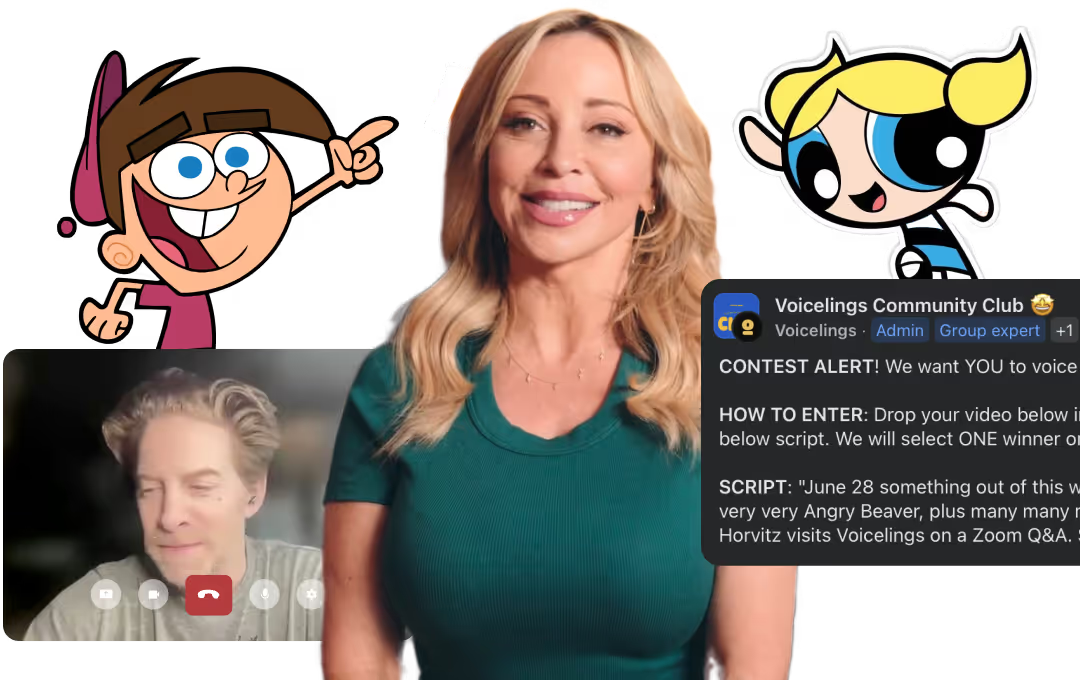
Want even more behind-the-mic stories and advice? I’ve been lucky enough to join some incredible podcasts over the years. We talk about everything from creating Timmy Turner, Raven, Bubbles, Harley Quinn, and other beloved characters to navigating the highs, challenges, and wonderfully unexpected moments of a lifelong acting career!
It’s easy to read three books, listen to 20 episodes, highlight everything, and never actually change what you do in the booth. Try this approach:
The best resource is the one that gets you back to the work with more courage, curiosity, and connection. Build your reading or listening list, press play, turn the page, whatever – and then get in the booth and make the lesson your own.
You're one step away from finding your voice and joining a community of passionate voice actors!


To be the best, you have to learn from the best – and for me, that's Tara Strong. This course really helps you step out of your comfort zone and into character.

Verified from
Tara does an amazing job walking you through the experience with auditions and callbacks, and what to expect during those things, and when you book a job.

Verified from
Whether you're just getting your feet wet or you're a veteran in the business, she has something for everybody.
Verified from
What I like most is it's online, self-paced, and taught by Tara Strong – someone I’ve admired since I was a kid when I first heard her as Baby Dill.

Verified from